
Understanding Dental Implant Risks
Dental implant risks and complications are among the most common concerns patients bring to us before committing to treatment—and that’s a smart place to start. Dental implants are the gold standard for replacing missing teeth, with a documented success rate exceeding 95% over a 10-year period. But like any surgical procedure, they carry real risks that deserve a straight, honest answer.
At Eastside Dental Implant Center in Issaquah, WA, our experienced implant dentist believes informed patients make better candidates. Whether you’re searching for a dental implant dentist near you in Issaquah, Bellevue, Sammamish, or Kirkland, this guide explains every complication you should know about, who faces the highest risk, and exactly what we do to prevent problems before they start. Call our Issaquah dental office at (425) 526-5424 or schedule your consultation.

Common Dental Implant Risks and Complications
Most complications fall into two categories: early (within the first few months as the implant heals) and late (developing months or years after placement). Understanding both timelines helps set realistic expectations and prepares you to catch warning signs early.
1. Infection (Peri-Implant Mucositis and Peri-Implantitis)
Infection is the most common biological complication associated with dental implants. In its early form—peri-implant mucositis—it affects only the soft tissue around the implant. Left untreated, it can progress to peri-implantitis, a more serious condition involving bone loss around the implant that currently affects nearly 22% of implant patients within a decade of placement.
Symptoms to watch for include:
- Red or swollen gums
- Bleeding during brushing
- Persistent bad breath
- Pain or tenderness around the implant site
Peri-implantitis is largely preventable with consistent oral hygiene and routine professional cleanings. Smokers and patients with a history of gum disease face a significantly elevated risk and require more frequent monitoring.
2. Osseointegration Failure (Implant Failure)
Osseointegration is the biological process where your jawbone fuses with the titanium implant post—it’s what gives the implant its strength and permanence. Early implant failure occurs when this process is disrupted, typically within the first three to six months after surgery. If the implant moves even a small amount during healing, the bone may encapsulate it in fibrous tissue rather than integrating fully.
Factors that increase early failure risk include:
- Low bone density
- Uncontrolled diabetes
- Active smoking
- Vitamin D deficiency
Use of medications that interfere with bone metabolism (such as bisphosphonates or corticosteroids).
Late implant failure, occurring after successful osseointegration, is typically linked to chronic peri-implantitis, parafunctional habits like bruxism, or trauma.
3. Nerve Damage
There’s a small but real risk of nerve damage during implant placement, particularly for implants placed in the lower jaw near the inferior alveolar nerve. Symptoms can include temporary or—in rare cases—longer-lasting numbness, tingling, or altered sensation in the lips, chin, tongue, or cheek on the affected side.
At Eastside Dental Implant Center, we use 3D cone-beam computed tomography (CBCT) imaging before every procedure to precisely map nerve positions and plan placement accordingly. This technology dramatically reduces the already-low risk of nerve involvement and ensures we maintain the safest possible distance from critical anatomical structures.
4. Sinus Complications
For implants placed in the upper jaw (maxilla), particularly in the molar and premolar region, there’s a risk of the implant protruding into or perforating the sinus cavity. This can lead to sinusitis, a feeling of sinus pressure or congestion, or chronic post-nasal drip if not addressed.
We evaluate sinus proximity carefully using CBCT imaging during your consultation. In some cases, a sinus lift procedure (sinus augmentation) is performed beforehand to build up adequate bone height and ensure the implant is placed at a safe distance from the sinus floor.
5. Bone Loss and Peri-Implant Bone Resorption
Some degree of marginal bone resorption—bone loss at the crest of the implant—is normal in the first year after placement. However, excessive bone loss is a red flag. Ongoing bone resorption is often associated with:
- Peri-implantitis
- Excessive biting forces
- Poor implant positioning
- The systemic risk factors discussed below
Regular X-rays during your maintenance appointments allow us to detect and address any troubling changes early, before they become implant-threatening.
6. Mechanical Complications
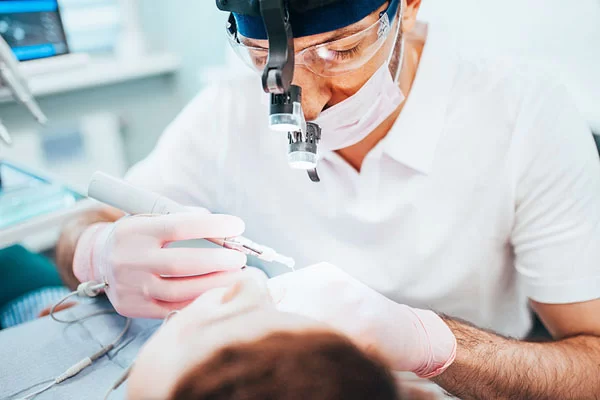
Implants are durable, but they’re not indestructible. Mechanical issues such as loosening or fracture of the abutment screw, chipping or cracking of the crown, and, in rare cases, fracture of the implant post itself can occur. These risks are higher in patients with bruxism (teeth grinding or clenching) who generate forces far beyond normal biting loads. A custom night guard can substantially reduce this risk.
Less Common Dental Implant Complications
While titanium is one of the most biocompatible materials used in medicine, a very small subset of patients may experience a localized immune or hypersensitivity reaction to titanium particles. This is distinct from a traditional allergy. Patients with known metal sensitivities should discuss this with our team—zirconia (ceramic) implants offer a proven metal-free alternative.
If the implant is placed too close to the surface or if thin gum tissue surrounds it, the metal implant post can become exposed over time. Soft tissue augmentation—a minor procedure to thicken the gum tissue—can prevent gum recession in patients identified as being at risk prior to surgery.
Unexpected bleeding during or after surgery can occur if a blood vessel is nicked during placement. This risk is minimized through careful pre-surgical imaging and planning. Patients on blood thinners or antiplatelet medications should disclose all medications prior to surgery.
Some patients, particularly those with autoimmune conditions or poorly controlled diabetes or who are undergoing chemotherapy or radiation therapy, may experience prolonged or complicated healing. We assess every patient’s systemic health before proceeding to identify those who need modified protocols.
Who Is at Higher Risk for Dental Implant Complications?
Not everyone faces the same level of risk. Certain health conditions, lifestyle habits, and medications can meaningfully affect how well your body heals after implant surgery and how long the implant lasts. Here’s what elevates your risk profile—and what we do about it:
Smoking
Smoking is one of the most significant modifiable risk factors for implant failure. Nicotine constricts blood vessels, reducing blood flow to the surgical site and impairing the healing response. Smokers face a failure rate 2 to 3 times higher than non-smokers. We strongly encourage patients to stop smoking at least 2 weeks before and 8 weeks after surgery.
Diabetes
Uncontrolled blood sugar impairs the immune response and slows tissue regeneration. Patients with well-managed diabetes can often still be excellent implant candidates—but HbA1c levels and glycemic control are reviewed closely during your evaluation.
Osteoporosis
Adequate jawbone volume and density are essential for successful osseointegration. Osteoporosis itself doesn’t automatically disqualify a patient, but those taking bisphosphonate medications (like Fosamax or Boniva) face a rare but serious risk of osteonecrosis of the jaw (ONJ) and require careful evaluation.
Bruxism
Bruxism generates occlusal forces far beyond what normal chewing produces, placing extraordinary stress on the implant and surrounding bone. Recent research increasingly links stress and sleep disturbances to bruxism-related implant mechanical complications. If you clench or grind, we’ll fit you with a custom occlusal guard before or after surgery.
Autoimmune and Medications
Conditions that compromise immune function—including rheumatoid arthritis, lupus, and HIV—and medications like corticosteroids can impair healing and increase infection risk. A thorough medication review is part of every pre-implant consultation.
Radiation History
Radiation therapy can reduce blood supply to the jawbone (a condition called osteoradionecrosis), making implant healing much more complex. Hyperbaric oxygen therapy may be recommended in these cases.
Early vs. Long-Term Dental Implant Complications
Timing matters when it comes to implant complications. The challenges you may face right after surgery are biologically very different from those that can emerge years later.
Early Complications (Within 3–6 Months of Surgery)
- Osseointegration failure—bone doesn’t fuse properly with the implant
- Surgical site infection—bacterial contamination during or after placement
- Excessive swelling, prolonged bleeding, or hematoma formation
- Immediate post-op numbness or altered sensation (usually temporary)
Most early complications are manageable when caught quickly. This is why we schedule close follow-up appointments in the weeks after surgery.
Long-Term Complications (Months to Years After Placement)
- Peri-implantitis—chronic inflammation and progressive bone loss around the implant
- Crown or prosthetic component wear, chipping, or loosening
- Implant fracture (rare, typically linked to excessive bite forces or manufacturing defect)
- Gum recession or soft tissue changes around the implant
Long-term complications are best managed through consistent professional maintenance—typically every three to six months for implant patients, depending on individual risk factors.
How Eastside Dental Implant Center Minimizes Your Risk
Choosing an experienced implant dentist near you is, by itself, one of the most powerful risk-reduction steps you can take. Here’s what our clinical process looks like:
- 3D CBCT Imaging: We map bone volume, nerve position, sinus anatomy, and implant angulation with sub-millimeter precision before the first incision is made.
- Thorough Medical and Medication Review: We flag every systemic risk factor and adjust the treatment plan accordingly, including coordinating with your physician when needed.
- Customized Bone Grafting When Necessary: Patients with insufficient bone density receive bone grafting or sinus lift procedures to create a solid foundation before implant placement.
- Strict Sterile Protocols: Every procedure is performed under rigorous sterilization standards to minimize infection risk from the outset.
- Post-Operative Monitoring: Follow-up appointments are scheduled at key healing milestones to catch any early signs of complications before they escalate.
- Long-Term Maintenance Plans: We build a personalized maintenance schedule into your treatment because the best way to prevent long-term complications is consistent monitoring and professional cleaning.
Ready to get started with Eastside Dental Implant Center? Call our Issaquah dental implant center at (425) 526-5424 to schedule your consultation.
Serving Patients Near Issaquah, Bellevue, Kirkland, Sammamish, and Surrounding Areas
If you’re looking for a dental implant dentist near you in the greater Eastside Seattle area, Eastside Dental Implant Center is conveniently located in Issaquah, WA—just minutes from Bellevue, Sammamish, Kirkland, Newcastle, and Mirrormont. We see patients from across King County and regularly help people who’ve been told by other providers that implants “aren’t an option” for them.
Our team provides free consultations that include a comprehensive risk assessment, imaging review, and a clear, transparent treatment plan—so you know exactly what to expect before you commit to anything.
Frequently Asked Questions
Dental implant failure is rare. According to multiple large-scale studies and systematic reviews, the 10-year survival rate for dental implants exceeds 93–96% when placed by an experienced implant dentist and maintained properly. Short-term failure rates are roughly 2–3%, while long-term complications like peri-implantitis affect a larger proportion if maintenance is neglected.
Many patients with systemic health conditions are still excellent implant candidates—the key is thorough evaluation and management of those conditions before and during treatment. Patients with well-controlled diabetes typically achieve outcomes comparable to non-diabetic patients. Osteoporosis patients require careful review of any bisphosphonate medications and may benefit from modified protocols or additional bone preparation.
Warning signs of implant failure include persistent pain or discomfort around the implant site beyond the normal healing window, swelling or redness in the gum tissue, visible movement or loosening of the implant, difficulty chewing, or unusual taste caused by infection. If you’re experiencing any of these symptoms and you’re in the Issaquah, Bellevue, or Sammamish area, contact Eastside Dental Implant Center promptly. Early intervention dramatically improves outcomes.
Yes, the majority of implant complications are manageable, especially when caught early. Peri-implantitis can be treated with professional debridement, antibiotic therapy, and, in some cases, surgical intervention. Mechanical complications such as a loose crown or abutment screw are typically straightforward to repair. Even implant failure, though disappointing, does not necessarily mean implants aren’t right for you—in many cases, a new implant can be placed after appropriate healing and any underlying issues are addressed.
Absolutely. The most impactful steps you can take are stopping smoking or tobacco use before and after surgery, managing chronic health conditions like diabetes diligently, disclosing all medications to your implant dentist, committing to excellent daily oral hygiene including brushing, flossing, and using a water flosser, attending every scheduled follow-up and maintenance appointment, and wearing a night guard if you grind or clench your teeth. These habits make a measurable, documented difference in long-term implant success.
Experience and case volume significantly affect outcomes. Studies consistently show that complication rates are lower when implants are placed by dentists with dedicated implant training and high case volume. At Eastside Dental Implant Center, dental implants are our sole focus—every patient benefits from a team whose expertise and protocols are built around implant-specific care from evaluation through long-term maintenance.