
Why Choose Eastside Dental Implant for Soft Tissue Augmentation?
If you’ve been told your gums aren’t healthy or thick enough to support dental implants, soft tissue augmentation may be the solution that puts implants back within reach. At Eastside Dental Implant Center in Issaquah, WA, Dr. Sidhu uses advanced gum grafting techniques to rebuild lost tissue, address gum recession, and create the stable foundation your implants need to succeed long-term.
Gum recession is more common than most people realize—and it silently worsens over time. Whether it’s the result of periodontal disease, aggressive brushing, genetics, or tooth loss, thinning gum tissue doesn’t just affect how your smile looks. It exposes vulnerable tooth roots, accelerates bone loss, and can disqualify you from implant placement altogether. Soft tissue grafting reverses that damage.
We proudly serve patients throughout Seattle’s Eastside, including Bellevue, Kirkland, Sammamish, Newcastle, Mercer Island, and Mirrormont. If you’re searching for a gum grafting dentist near you in Issaquah or the surrounding areas, call us at (425) 526-5424 or schedule your free consultation online.

What Is Soft Tissue Augmentation?
Soft tissue augmentation, commonly known as gum grafting or gum graft surgery, is a surgical procedure in which healthy gum tissue is harvested and precisely placed in areas experiencing recession, volume loss, or insufficient tissue thickness. The goal is twofold: to protect the health of your teeth and bones and to create the right biological environment for dental implants to thrive.
The procedure addresses the root cause rather than masking the symptom. Without adequate keratinized (attached) gingiva surrounding an implant, bacteria accumulate more easily, the risk of peri-implantitis rises, and recession around the implant becomes likely. Soft tissue grafting solves this before it becomes a problem—or restores what gum disease has already taken away.
Key outcomes of soft tissue augmentation include:
- Regenerated, thickened gum tissue around teeth and implant sites
- Reduced gum recession and prevention of further tissue loss
- Coverage of exposed tooth roots that cause sensitivity
- A healthier, more symmetrical gum line
- Improved dental implant candidacy and long-term implant success
- Protection against root decay and bone deterioration
Types of Soft Tissue Grafts Offered Near Issaquah, WA
Not every gum grafting case is the same. Dr. Sidhu selects the graft technique based on the extent of recession, the location in your mouth, tissue thickness, and your personal health profile. Here are the main options:
The most widely used and clinically validated graft type accounted for 42.5% of the gum grafting market in 2025. Tissue is harvested from beneath the surface of the palate, not the outer layer, then stitched over the area of recession. Because the outer palate remains intact, healing is faster and less uncomfortable than older techniques. CTG is the gold standard for covering exposed roots and increasing tissue thickness around implants, with documented success rates up to 97%.
A free gingival graft takes tissue directly from the outer surface of the palate and grafts it to the treatment area. This method is particularly effective when the goal is to increase the zone of keratinized (firm, attached) gingiva, which is critical for long-term implant stability. It’s commonly recommended for patients with naturally thin gum tissue throughout the mouth.
Rather than harvesting tissue from the palate, a pedicle graft uses tissue from adjacent healthy gum tissue near the recession site. The gum is partially cut and rotated or slid to cover the exposed area. Because the blood supply remains connected throughout the procedure, healing is typically efficient. This option works best when there’s sufficient healthy tissue directly next to the affected area.
Allografts use FDA-approved processed tissue from a human tissue bank—eliminating the need to harvest from your own palate entirely. For patients concerned about discomfort at a second surgical site, allografts offer a compelling alternative. The tissue is thoroughly screened and processed to ensure safety. Allograft use is rising rapidly in 2025-2026 due to advances in biocompatibility and processing technology, and Dr. Sidhu offers this as an option for appropriate cases.
In select cases, your implant dentist may incorporate platelet-rich fibrin—a concentrate derived from your own blood—into the grafting procedure. PRF accelerates the healing process, promotes tissue regeneration, and reduces post-operative inflammation. This technique aligns with the broader shift in regenerative dentistry toward biologically driven, minimally invasive outcomes.
How Soft Tissue Augmentation Improves Dental Implant Candidacy
Dental implants don’t live in a vacuum—they depend entirely on the quality of the tissue surrounding them. Research published in 2024 confirmed that connective tissue grafts performed at or around implant placement significantly improve gum levels and aesthetic outcomes. Here’s what adequate soft tissue actually does for your implants:
- Creates a band of keratinized, attached gingiva that resists bacterial penetration
- Maintains proper tissue thickness (minimum 2 mm recommended) to avoid biological complications
- Establishes natural-looking papillae—the triangular gum tissue between teeth—for aesthetics
- Reduces the risk of peri-implantitis, the leading cause of long-term implant failure
- Prevents recession around the implant crown after placement
- Supports a stable emergence profile from implant to crown
Without this foundation, even a perfectly placed implant can fail. That’s why Dr. Sidhu evaluates soft tissue volume and quality at every implant consultation—and recommends augmentation proactively rather than reactively.
Benefits of Gum Grafting Beyond Implant Candidacy
Soft tissue augmentation improves implant outcomes, but the benefits extend well beyond that single goal. Many Issaquah-area patients pursue gum grafting to address everyday discomfort and smile aesthetics:
- Reduced tooth sensitivity: Exposed roots are highly sensitive to temperature. Grafting covers the root surface and eliminates that discomfort.
- Gum disease prevention: A thicker tissue collar around teeth is harder for bacteria to breach, reducing periodontal risk long-term.
- Smile aesthetics: Uneven or receded gums make teeth look elongated. Grafting restores a balanced, natural gum line.
- Root decay protection: Exposed root surfaces lack enamel and are significantly more vulnerable to decay. Coverage eliminates that risk.
- Preserving natural teeth: Advanced recession can loosen teeth through bone loss. Grafting stabilizes the situation before extractions become necessary.
- Long-term oral health: Healthier gum tissue means lower inflammation markers, reduced risk of systemic disease links, and a more predictable dental future.
Why Choose Eastside Dental Implant Center for Gum Grafting Near Issaquah?
There’s no shortage of dental offices near Bellevue or Kirkland offering gum-related procedures. What sets Eastside Dental Implant Center apart is the integration of soft tissue expertise within a dedicated implant practice—meaning every grafting decision is made with your implant outcomes in mind, not as an isolated procedure.
- Implant-focused soft tissue expertise: Dr. Sidhu’s background in implantology means graft placement is planned around implant positioning, bone levels, and long-term prosthetic goals—not just recession coverage.
- All care under one roof: From initial gum evaluation through implant placement and final restoration, you never need a referral out. This continuity reduces treatment delays and communication gaps.
- Sedation available: Patients with dental anxiety can undergo grafting comfortably with sedation options tailored to their needs.
- Serving Eastside Seattle communities: Conveniently located in Issaquah with easy access for patients from Sammamish, Bellevue, Kirkland, Newcastle, Mercer Island, and Mirrormont.
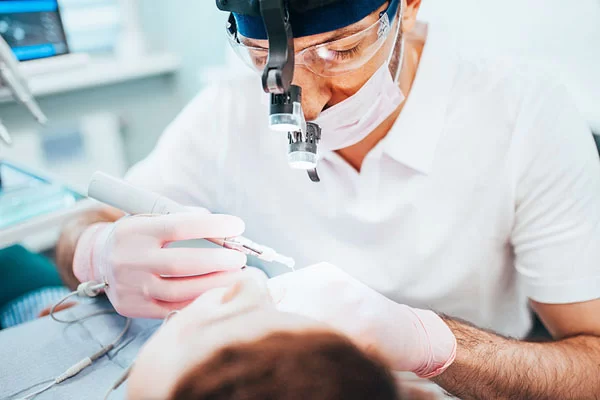
Our Soft Tissue Augmentation Process in Issaquah, WA
Here’s what to expect from your first call through full recovery:
Step 1: Comprehensive Gum Tissue Evaluation
Dr. Sidhu examines gum tissue thickness, recession depth, the width of attached gingiva, and bone levels using advanced imaging. Your Issaquah implant dentist identifies every site needing augmentation, including areas around future implant sites, and develops a customized treatment plan that anticipates your full restorative goals.
Step 2: Pre-Procedure Comfort Planning
Local anesthesia is administered precisely to eliminate sensation throughout the treatment area. For anxious patients, sedation options are available and discussed at your consultation. You’ll be comfortable before any instruments are introduced.
Step 3: Graft Harvesting or Selection
Depending on the graft type selected, Dr. Sidhu either carefully harvests tissue from the palate using microsurgical techniques, minimizing discomfort at the donor site, or selects an appropriate FDA-approved allograft material. PRF may be prepared from your blood draw at this stage if indicated.
Step 4: Precision Placement
The graft is precisely positioned to cover exposed roots, thicken thin tissue, or establish a proper band of keratinized gingiva around the implant site. Attention to both functional restoration and natural aesthetics guides every suture placement.
Step 5: Secure Closure
Fine sutures secure the graft in place. Modern suture materials minimize irritation and promote tissue integration during early healing.
Step 6: Biologic Enhancement (When Indicated)
If PRF was prepared, it is applied at the surgical site to accelerate healing, reduce inflammation, and optimize tissue regeneration. This step reflects the current direction of evidence-based periodontal care—using your body’s own biology to improve outcomes.
Recovery: What to Expect After Gum Grafting
Most patients are back to work or school within one to two days—that’s typically the first question people ask, and the answer is reassuring. Full tissue integration takes four to eight weeks, but the most sensitive period is just the first week or two. Here’s how to support a smooth recovery:
- Medications: Take prescribed antibiotics and pain relievers as directed. Don’t skip doses—consistent levels protect the graft site from infection during the critical first week.
- Oral hygiene: Use a soft-bristled toothbrush and antimicrobial rinse. Avoid brushing directly on the graft site until cleared by Dr. Sidhu.
- Diet: Stick to cool, soft foods for the first 1 to 2 weeks. Avoid anything spicy, crunchy, hot, or chewy that could disturb the graft.
- Lifestyle: Avoid smoking and limit alcohol — both significantly impair healing and increase graft failure risk. Avoid strenuous exercise for at least 3 to 5 days.
- Follow-up appointments: All scheduled post-op visits are important. Dr. Sidhu monitors graft integration and intervenes early if any concerns arise.
- Watch for: Excessive swelling, bleeding that doesn’t resolve, or persistent pain beyond normal soreness. Contact the office at (425) 526-5424 if any of these occur.
Palate donor site healing is separate from the graft site and typically resolves within one to two weeks. If an allograft was used, there is no palate soreness at all.
Frequently Asked Questions
Not during the procedure itself. Dr. Sidhu uses precise local anesthesia to keep the entire treatment area comfortable, and sedation is available for patients with dental anxiety. Post-operatively, the most significant soreness comes from the palate donor site if your own tissue was harvested. This is typically manageable with prescribed pain medication and resolves within one to two weeks. Patients who receive allograft (donor) tissue skip this entirely and often report very mild post-op discomfort overall.
Most patients return to normal activity within one to two days. The graft site heals noticeably within one to two weeks, and complete tissue integration is typically achieved by four to eight weeks. Dr. Sidhu monitors healing closely and will advise you when it’s safe to return to all normal activities, including exercise.
Patients with gum recession, tissue thickness under 2 mm at an implant site, or an inadequate band of keratinized gingiva may need augmentation before or simultaneously with implant placement. You don’t need to self-diagnose: Dr. Sidhu evaluates tissue quality at every implant consultation and will tell you directly whether grafting is needed and why. Not every patient requires it.
Coverage depends on your specific plan and the clinical justification for the procedure. When grafting is recommended to treat periodontal disease or prevent tooth loss, it’s more likely to receive at least partial coverage. Purely cosmetic gum reshaping is typically not covered. Our team will help you verify your benefits before your procedure and discuss financing options if needed—we work with CareCredit and other payment plans to keep treatment accessible.
Yes. Our Issaquah office is centrally located for patients throughout Seattle’s Eastside, including Bellevue, Kirkland, Sammamish, Newcastle, Mercer Island, and Mirrormont. If you’re looking for a soft tissue augmentation dentist near you in the greater Eastside area, we’re a short drive from most communities east of Seattle. Call (425) 526-5424 or schedule a free consultation online.
In select cases, yes. Simultaneous placement allows patients to consolidate procedures and recovery time. Whether same-day grafting is appropriate depends on the extent of tissue needed, the condition of the bone, and the implant placement site. Dr. Sidhu evaluates this on a case-by-case basis and will discuss the most efficient sequencing of your full treatment plan during your consultation.