
Restore Your Jawbone, Rebuild Your Smile with Our Issaquah Implant Dentist
Searching for a dentist near you who offers bone grafting? If you’ve lost a tooth or a few, there’s more going on beneath the surface than a gap in your smile. Once a tooth root is gone, the jawbone around it stops receiving the daily stimulation it needs and begins to resorb, sometimes losing up to 25% of its width in the first year alone. That bone loss can make future dental implant placement difficult, or even impossible, without rebuilding the foundation first.
That’s where bone grafting comes in. Dr. Sidhu and the team at Eastside Dental Implant Center use modern grafting materials and digital treatment planning to rebuild lost bone volume, giving patients throughout Issaquah, Bellevue, Sammamish, Newcastle, Kirkland, and Mirrormont a solid, long-term foundation for implant-supported teeth.
Ready to talk to a dentist in Issaquah about your options? Call (425) 526-5424 to schedule your consultation.
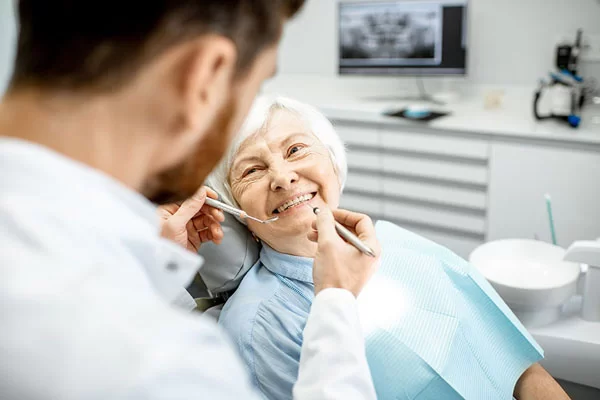
Why Patients Choose Eastside Dental Implant Center
For patients managing jawbone resorption who are eager to restore their smiles with permanent implants, Eastside Dental Implant Center provides a specialized level of care:
- Specialized surgical expertise. Dr. Sidhu has extensive training in bone grafting and dental implant surgery, from routine socket preservation to complex ridge augmentation.
- Digital precision. 3D imaging and guided treatment planning take the guesswork out of graft placement.
- Comfortable, supported care. From your first evaluation through full healing, our team walks you through every stage, including sedation options for anxious patients or longer procedures.
- Convenient Eastside location. Easy access with ample parking for patients throughout Issaquah and the surrounding communities.
- Insurance and financing support. We work with most major dental insurance plans and offer flexible financing options.
What Is Dental Bone Grafting?
A dental bone graft (sometimes called a socket graft, dental bone transplant, or, informally, “teeth grafting”) is a surgical procedure that rebuilds lost jawbone using graft material, creating a stable base for a dental implant. Depending on your case, the graft material may come from your own body, a donor source, or a lab-engineered substitute—all designed to encourage your own bone cells to grow into and eventually replace the graft.
Dr. Sidhu uses 3D cone-beam imaging to map your jawbone in detail before treatment, so the amount and placement of graft material are planned around your specific anatomy rather than a one-size-fits-all approach.
Types of Bone Graft Materials
- Autograft: Bone taken from another site in your own body; considered the biological “gold standard” since it carries no rejection risk
- Allograft: Processed bone tissue from a human donor
- Xenograft: Bovine or porcine-derived bone substitute, widely used for its scaffold properties
- Synthetic (alloplastic) grafts: Lab-made, biocompatible materials that guide new bone formation
When Do You Need a Bone Graft?
A periodontist, oral surgeon, or your general dentist may recommend a bone graft for several reasons:
- Socket preservation after extraction. Placing graft material into the socket immediately after a tooth is pulled slows the natural bone loss that follows and keeps the site implant-ready.
- Gum disease damage. Advanced periodontal disease destroys the bone that anchors your natural teeth. A periodontist may recommend grafting to regenerate the lost support before it progresses further.
- Ridge augmentation. Years of missing teeth or denture wear can flatten and narrow the jaw ridge. Ridge augmentation rebuilds width and height so it can support an implant or fit a denture properly.
- Dental trauma. An injury that fractures or displaces bone around a lost tooth often needs grafting before a replacement tooth can be placed.
- Sinus lift cases. When an upper-jaw implant site sits too close to the sinus cavity, a sinus lift—a specialized graft that raises the sinus floor—creates the vertical bone height needed.
Advances in Bone Grafting for 2026
Bone grafting technology has moved quickly in the last few years. Recent large-scale research (one 2026 analysis reviewed over 158,000 dental implants) confirms that implants placed in properly grafted sites now perform just as well long-term as implants placed in naturally adequate bone—a meaningful reassurance for patients weighing whether grafting is “worth it.”
The field has also seen growing use of growth-factor-enhanced grafts, like the platelet-rich fibrin (PRF), which some qualified dentists already incorporate to speed healing, alongside newer guided bone regeneration membranes designed to protect the graft site and encourage cleaner integration.
The result is shorter healing windows and more predictable outcomes than grafting protocols offered even five years ago.
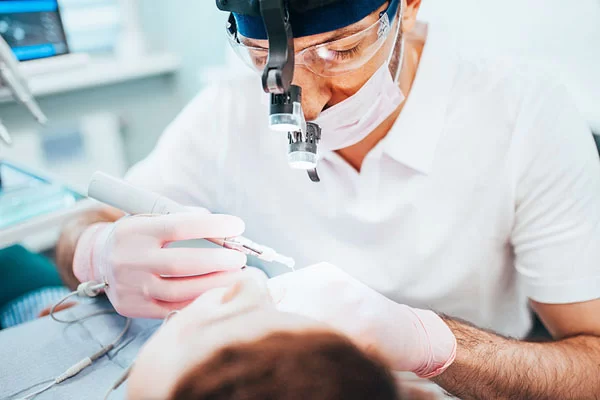
The Bone Grafting Procedure with Dr. Sidhu
Your visit starts with a 3D cone-beam CT scan, which gives Dr. Sidhu a full picture of your jawbone density, width, and height in the exact area where the implant will eventually go. This is also when Dr. Sidhu reviews your medical history—certain conditions and medications can affect healing, so this step matters as much as the imaging itself.
From there, your dentist maps out which type of graft material fits your case (autograft, allograft, xenograft, or synthetic), how much bone needs to be added, and a realistic timeline for when you’ll be ready for implant placement. You’ll leave this visit with a clear plan, not just a diagnosis.
On the day of your bone graft procedure, the surgical site is fully numbed with local anesthesia—the same kind used for fillings, so most patients describe the numbing itself as the most uncomfortable part, and even that fades quickly.
If you’re anxious about dental procedures, have a more extensive graft planned, or simply want to be more relaxed, Dr. Sidhu also offers sedation options. This is worth discussing at your consultation, since the sedation type affects things like whether you’ll need a ride home afterward.
Once you’re numb (and sedated, if that’s your choice), Dr. Sidhu makes a small incision in the gum tissue to gently expose the underlying jawbone at the graft site. Because this is done with a minimally invasive technique and modern instrumentation, the incision is kept as small as the case allows enough access to work precisely, without more disruption to surrounding tissue than necessary.
This is the core of the procedure. The selected graft material, whether that’s bone from another site in your own mouth, processed donor bone, or a synthetic substitute, is shaped and positioned directly against your existing bone. The goal is intimate contact between the graft and your natural bone, since that contact is what allows your own bone cells to eventually grow into and replace the graft material over the following months.
Depending on the case, Dr. Sidhu may also place a protective barrier membrane over the graft, which shields it from surrounding soft tissue while new bone forms underneath—a technique called guided bone regeneration.
At this stage, many implant specialists incorporate platelet-rich fibrin (PRF), a concentrate created chairside by spinning down a small sample of your own blood to isolate the growth factors and healing proteins it contains. Layering PRF over or around the graft site has been shown to speed early healing and reduce post-op swelling, which is part of why recovery from modern grafting tends to be more comfortable than older protocols.
The gum tissue is closed over the graft with sutures, sized and placed to protect the graft material while it begins to integrate. Depending on the type used, sutures either dissolve on their own or are removed at a short follow-up visit about one to two weeks later.
Before you leave, you’ll get written aftercare instructions covering everything from what to eat that evening (think soup, yogurt, mashed potatoes—nothing that requires chewing near the site) to how to manage swelling with ice packs in the first 24–48 hours. You’ll also get guidance on oral hygiene around the surgical site, any prescribed pain medication or antibiotics, and—importantly—direct contact information if anything feels off in the days that follow.
Most patients are back to normal daily activities within a day or two, with full soft-tissue healing over the following couple of weeks, while the deeper bone integration continues in the background over the following months.
Recovery and Healing Timeline
- First 1–2 weeks: Mild to moderate swelling, minor bleeding in the first 24–48 hours, some bruising, and mild difficulty chewing are all normal as the surgical site closes.
- 3–9 months: This is the osseointegration window—the period where new bone cells grow into and fuse with the graft material, creating a dense, stable foundation. Timelines vary based on graft size and your body’s healing pace; Dr. Sidhu monitors progress with follow-up visits before clearing you for implant placement.
Bone Grafting vs. Sinus Lift vs. Ridge Augmentation—What’s the Difference?
These terms get used interchangeably, but they describe different procedures:
- Bone grafting is the general term for rebuilding lost jawbone with graft material—it’s the umbrella category.
- A sinus lift is a specific type of graft used only in the upper jaw, where the graft raises the floor of the sinus to create more vertical bone height.
- Ridge augmentation specifically widens or heightens a resorbed jaw ridge, often after long-term tooth loss or denture wear, rather than addressing sinus-related height.
Not sure which applies to your case? That’s exactly what your consultation is for.

Finding a Dentist Near You for Bone Grafting in Issaquah
If you’ve searched “bone grafting near me” or “dentist near you for dental implants,” Eastside Dental Implant Center is centrally located to serve patients across the Eastside, including Issaquah, Bellevue, Sammamish, Newcastle, Kirkland, and Mirrormont.
Whether you need a straightforward socket graft or a more involved ridge augmentation, Dr. Sidhu’s office is equipped to handle the full range of bone grafting and dental implant care in one location, so you’re not bounced between multiple specialists’ offices for routine cases.
Frequently Asked Questions
Placing a dental implant into bone that’s too thin or too soft raises the risk of implant failure, poor positioning, and an unnatural-looking result. For patients in Newcastle and nearby, we’ve seen cases where skipping recommended grafting led to continued bone loss that also affected neighboring teeth and facial appearance—which is why Dr. Sidhu is upfront about when grafting is genuinely necessary versus optional.
Cost depends on the extent of bone loss, the graft material used, and procedure complexity. Many dental insurance plans cover bone grafting when it’s medically necessary for an implant placement; our team works directly with your insurer and can walk you through financing options.
Sinus lifts are typically a more involved procedure than a standard socket graft, so costs run somewhat higher—though exact pricing depends on how much bone height needs to be added. We’ll give you a clear, itemized estimate during your consultation; see our sinus lift page for procedure-specific details.
Dr. Sidhu performs both bone grafting and implant placement in-house, so most patients don’t need a separate referral to an outside periodontist for routine grafting—one less office to coordinate with.